
EU PPWR 2026 for Small Online Sellers: What You Need to KnowUnderstand what the EU PPWR means for small Etsy, Shopify, and other non-EU sellers, including packaging requirements, EPR obligations, and the key steps to prepare for EU sales.
GPSR Label Requirements: What Should Be on Your Product or Packaging?Not all GPSR information belongs only on your product page. Here’s what may need to appear on the product, packaging, or accompanying document.

How Shopify Sellers Can Display GPSR Information on Product Pages?Shopify doesn’t use Etsy-style fields. Here’s how to show GPSR information clearly on your product pages.

What Information Should Etsy Sellers Add for GPSR?Selling to EU customers on Etsy? Here’s what GPSR information you may need to add to your listings.

What Is an EU Responsible Person and Why Do Non-EU Sellers Need One?Selling products to EU customers from outside Europe? Learn what an EU Responsible Person does.
Site operator and contracting entity: Optimaalcert OÜ
Business registration number: 17497648
Address: Tallinn, Kesklinna linnaosa, Ahtri tn 12, 15551
Contact: [email protected]


PPWR 2026: What Small Online Sellers Need to Do Now
The EU Packaging and Packaging Waste Regulation (PPWR) started applying on 12 August 2026.If you are a small Etsy, Shopify or other non-EU seller shipping physical products to EU customers, you may now be wondering whether you need to register for packaging EPR, replace your packaging or even stop selling to certain EU countries.The short answer is: do not panic and do not automatically stop your EU sales.For most small overseas sellers, the practical first step is to understand which EU countries you actually sell to, identify the packaging you use, keep basic packaging records and check the applicable national EPR procedure for those markets.
What is PPWR and How Packaging EPR are Connected
PPWR is the EU regulation covering packaging throughout its life cycle. It sets rules on matters such as packaging materials, recyclability, labelling and waste management. European Commission overview.Packaging EPR (Extended Producer Responsibility) deals with businesses’ responsibility for packaging after it becomes waste. Businesses covered by the system contribute to the costs of collecting, sorting and recycling that packaging, and may also have organisational responsibilities. EPR is an established approach under EU waste law. European Commission explanation of EPR.Packaging EPR existed before the PPWR. The PPWR incorporates and updates packaging EPR rules within its broader framework, while registration, reporting and fee arrangements remain administered through national systems. These obligations can apply to sellers placing packaged products on a market, including overseas online sellers, as well as packaging manufacturers. PPWR, Articles 3 and 44–46.
So… What should I do?
Legal rules and practical procedures are not always the sameThe PPWR sets common EU rules, but packaging EPR registration, reporting and local authorised representative procedures are still operated separately by each country.Some countries already have an official procedure that overseas sellers can use. In other countries, the new registration or authorised representative procedure is still unclear or unavailable.You cannot complete a procedure that does not yet exist. You should therefore deal only with the countries where you currently sell and take the action that matches your actual situation.
| Your current situation | What to do |
|---|---|
| You are already registered for packaging EPR in a country | Maintain your existing registration, reports, PRO membership and fee payments. If your provider or the official register later asks you to add an authorised representative or update your details, complete that additional step. |
| You are not registered and have not received any request from a platform or authority | Begin keeping basic packaging records and check the current national EPR requirements only in the countries where you actually send orders. If a clear official requirement applies to you, take the relevant steps for that country. |
| A marketplace, authority or EPR organisation asks for a registration number, representative or other action | Check the requirement for that country and complete the applicable official procedure. A request concerning one country does not normally apply to your other EU markets. |
| No clear and usable procedure is available for overseas sellers | Keep evidence of the official sources or enquiries you checked and monitor the relevant authority or register. The absence of a usable procedure is not an exemption. Act when one becomes available, but do not pay for a representative solely because a service provider says one is required. |
Selling only a few items does not automatically provide an EU-wide exemption from packaging EPR. However, it also does not mean that you should immediately pay for registrations and representatives in every country.For a small seller, the practical starting point is to record the packaging you use, check only the countries where you actually sell and complete any clear and applicable official procedure that is available. Do not close all EU markets without first understanding the actual requirements.
What to start doing now
| Start now | Simple action |
|---|---|
| List your packaging | Write down the boxes, envelopes, product packaging, protective materials and tape used for EU orders. |
| Record the material | Note whether each item is paper, cardboard, plastic, glass, metal, wood or another material. |
| Record the weight | Weigh one example of each packaging item. If you cannot weigh it, use supplier information or a reasonable estimate and mark it as estimated. |
| Record the quantity by country | Record how many of each packaging item you use for orders sent to each EU country. |
| Keep existing documents | Keep packaging invoices, receipts, supplier details and any material information you already have. You do not need to create information that is not currently available. |
| Check food-contact packaging if relevant | Food-contact packaging must comply with the PFAS concentration limits applying from 12 August 2026. This particular requirement does not apply to ordinary packaging that is not intended to contact food. |
Example of a simple packaging record
| Destination country | Packaging type | Material | Weight per item | Quantity used | Total weight | Source |
|---|---|---|---|---|---|---|
| Germany | Mailing box | Paper/cardboard | 65 g | 2 | 130 g | Measured |
| France | Mailing envelope | Paper | About 25 g | 30 | About 750 g | Estimated |
| Ireland | Protective paper | Paper | About 8 g | 8 | About 64 g | Estimated |
| Ireland | Paper tape | Paper/adhesive | About 4 g | 5 | About 20 g | Estimated |
You do not need a perfect spreadsheet or specialist software. A simple note showing the destination country, packaging material, approximate weight and quantity is enough to begin.
What to prepare later
| Prepare gradually | What this means |
|---|---|
| Supplier information | When buying or reordering packaging, keep any material specifications, declarations or technical information supplied with it. |
| Simpler packaging | When you need new packaging, consider choosing simple materials that are commonly recycled. You do not need to discard your current packaging solely for this reason. |
| EU packaging labels | Wait until the final format and applicable date are confirmed. The harmonised label requirement will apply from 12 August 2028 or 24 months after the relevant implementing rules enter into force, whichever is later. |
| Main 2030 requirements | Prepare gradually for recyclability, recycled plastic content, packaging minimisation and empty-space requirements. Detailed assessment methods and implementation rules are still being developed. |
What you do not need to do now
| Do not do this merely because of the PPWR | Reason |
|---|---|
| Replace all your existing packaging | The PPWR does not require every seller to discard all packaging immediately. Requirements already applying to particular packaging, such as PFAS limits for food-contact packaging, must be considered separately. |
| Buy or request a general “PPWR certificate” | There is no single official certificate covering every business, packaging type and EU country. Keep genuine material or technical information when available, but do not buy or ask suppliers to create a certificate with no clear legal meaning. |
| Register in all 27 EU countries | You only need to consider the countries where you actually sell and the official procedures that apply there. |
| Stop all EU sales | Do not stop selling solely because the PPWR has become applicable. Check the actual situation in the countries where you sell. |
| Add your own PPWR mark | Do not create or add an unofficial PPWR mark before the official label format and application date are confirmed. |
| Use your GPSR Responsible Person as your packaging EPR representative | These are different legal roles. The same details must not be used without a separate valid appointment. |
The European Commission has explained that early enforcement should not disrupt trade, supply chains or consumer access to goods. Where non-compliance is identified, the business should generally first be informed and given an opportunity and reasonable time to correct it.This is not a general exemption, but it supports a practical approach: check the situation, correct what is necessary and avoid closing all EU sales without first understanding the actual requirement.
Unsure What the PPWR Means for Your Business?
Optimalcert provides EU Responsible Person services under the GPSR and does not directly provide packaging EPR or PPWR registration services. However, I will continue monitoring the official registration and authorised representative procedures introduced by individual Member States and provide another update when additional action becomes practically necessary for small overseas sellers.If you are unsure which requirements apply in a country where you currently sell, or if you feel that the new rules may significantly disrupt your business plans, please contact me before purchasing a packaging compliance service or stopping your sales. I will help you review the situation and decide what action is actually necessary.


GPSR Label Requirements: What Should Be on Your Product or Packaging?
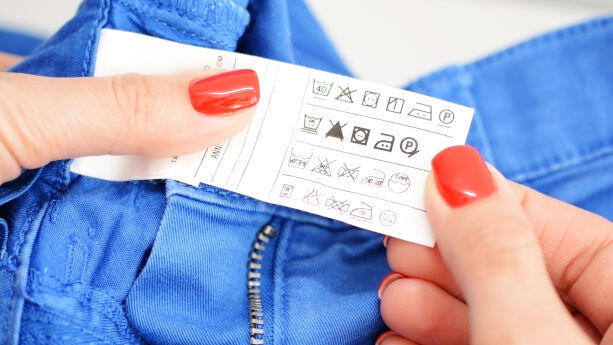
If you sell products to EU customers, GPSR information is not only something you add to an Etsy listing or Shopify product page.Some information may also need to appear on the product itself, the packaging, or an accompanying document.Under GPSR, manufacturers must make sure the product can be identified and that manufacturer contact details are provided. If the product size or nature does not allow this, the information can be placed on the packaging or in a document accompanying the product.
What Information May Be Needed?
For many small consumer products, the key information is:Product identifier
Manufacturer name
Manufacturer postal address
Manufacturer electronic address
EU Responsible Person information, if the manufacturer is outside the EU
Safety warnings or instructions, if relevant
1. Product Identifier
Your product should be clearly identifiable.This can be:Product name
Type of product
Batch number
Serial number
Model number
Internal product codeYou do not always need a formal SKU system. The important point is that the product can be identified.Example:Product: Star Night Metal Pin Badge
Product identifier: PIN-STARNIGHT-01
2. Manufacturer Information
The manufacturer information should include:Manufacturer: ABC Studio
Address: 123 Example Street, London, United Kingdom
Email: [email protected]If you make the product yourself, you may be the manufacturer.
If another company produces it for you, that company may be the manufacturer.
3. EU Responsible Person Information
If the manufacturer is not established in the EU, EU Responsible Person information may also need to be provided.Example:EU Responsible Person: Example Compliance OÜ
Address: Example Street 1, Tallinn, Estonia
Email: [email protected]GPSR also requires online offers to show manufacturer information, EU Responsible Person information where needed, product identification, and relevant warnings or safety information.
4. Safety Warnings or Instructions
If your product has safety-relevant risks, add a clear warning.Example:Warning: Contains small parts. Not suitable for children under 3 years.
For decorative use only.Warnings should be easy for customers to understand. GPSR requires instructions and safety information to be provided in a language easily understood by consumers in the Member State where the product is sold.
Simple Label Example
For a small product, the label or accompanying card could look like this:Product: Metal enamel pin badge
Product identifier: PIN-001Manufacturer: ABC Studio
Address: 123 Example Street, London, United Kingdom
Email: [email protected]EU Responsible Person: Example Compliance OÜ
Address: Example Street 1, Tallinn, Estonia
Email: [email protected]Warning: Contains small parts. Not suitable for children under 3 years. For decorative use only.
Final Checklist
Before selling to EU customers, check whether your product, packaging, or accompanying document includes:Product identification
Manufacturer contact details
EU Responsible Person details, if needed
Safety warnings, if relevant
Instructions, if needed
Language suitable for the EU market
Need Help Preparing Product Labels?
If you are not sure what GPSR information should appear on your product, packaging, or accompanying document, contact us.We help small non-EU sellers prepare basic GPSR listing, label, safety, and EU Responsible Person information for EU sales.


GPSR for Shopify Stores: How to Display Product Safety Information on Your Product Page
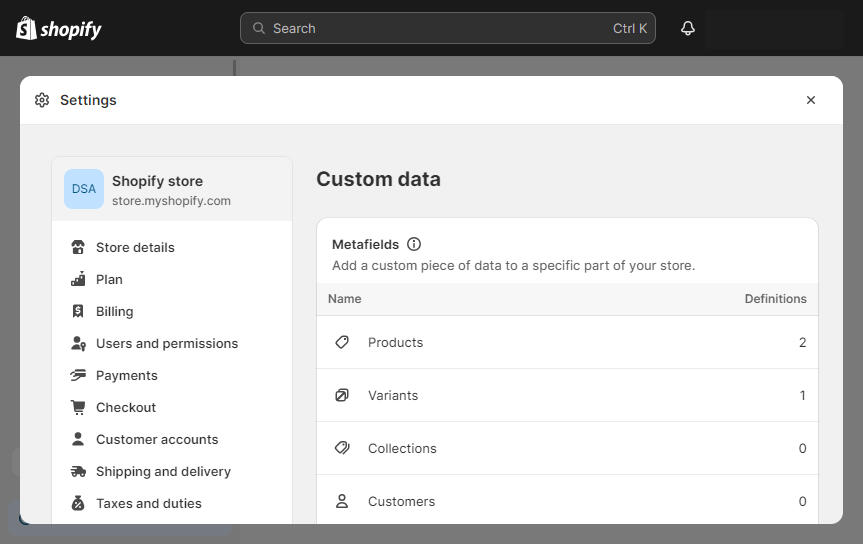
If you sell products to EU customers through Shopify, GPSR information should not be hidden somewhere buyers never see.Unlike Etsy, Shopify does not mainly work through marketplace listing fields. You control your own product page, so the question is not only what GPSR information to prepare, but also where and how to display it clearly before purchase.Shopify explains that required GPSR product information can be added in the product description or by using product metafields.In simple words:Etsy is about filling platform fields.
Shopify is about designing a clear product page section.
1. What GPSR Information Should Be Visible?
For online sales, GPSR requires key product safety information to be clearly visible in the offer. This may include product identification, manufacturer details, EU Responsible Person information where applicable, and warnings or safety information.For a Shopify product page, this usually means showing:Product name
Product type
Product photo
Product identifier, if available
Manufacturer name
Manufacturer address
Manufacturer electronic contact
EU Responsible Person details, if needed
Safety warnings or instructions, if relevantYou do not always need a formal SKU system. The important point is that the product should be clearly identifiable.
2. Option 1: Add a GPSR Section in the Product Description
For small Shopify stores, the simplest method is to add a short GPSR section directly inside the product description.This works well if:Your store has only a few products
Each product needs different information
You want a quick and simple setup
You do not use many custom fields yetExample:GPSR Product InformationProduct type: Decorative metal pin
Product identifier: PIN-STARNIGHT-01Manufacturer: ABC Studio
Address: 123 Example Street, London, United Kingdom
Email: [email protected]EU Responsible Person: Example Compliance OÜ
Address: Example Street 1, Tallinn, Estonia
Email: [email protected]Warning: Contains small parts. Not suitable for children under 3 years. For decorative use only.This is not the most elegant method, but it is easy to understand and easy to update.
3. Option 2: Use Shopify Metafields
For stores with many products, Shopify metafields may be cleaner.Metafields let you store repeated product information in a structured way instead of manually writing everything inside each product description.This works well if:You have many similar products
You want a consistent product page layout
You use the same manufacturer or EU Responsible Person for many items
You want your product pages to look cleanerFor example, you could create metafields for:Manufacturer name
Manufacturer address
Manufacturer contact
EU Responsible Person name
EU Responsible Person address
EU Responsible Person contact
Safety warning
Product identifierThen you can display those fields in a consistent section on each product page.
4. Where Should the Section Appear?
Do not bury GPSR information at the very bottom of a long page where customers are unlikely to see it.A practical layout could be:Product title
Photos
Price
Buy button
Main product description
Materials / product details
GPSR product information
Shipping and returnsThe GPSR section does not need to be the first thing buyers see, but it should be easy to find before purchase.
5. Product Identification
Your product page should make it clear which exact product the information belongs to.Add details such as:Product name
Product type
Product photo
Where available, a model number, batch number, serial number, variation name, or internal product codeExample:Product name: Star Night Metal Pin Badge
Product type: Decorative metal pin
Product identifier: PIN-STARNIGHT-01For small handmade sellers, this does not always mean creating a formal SKU system. A simple internal identifier can be enough to avoid confusion between similar products.
6. Manufacturer Information
Your product page should show who made the product.This may include:Manufacturer name
Registered trade name or trademark
Physical address
Email or other electronic contact informationExample:Manufacturer: ABC Studio
Address: 123 Example Street, Seoul, South Korea
Email: [email protected]If you make the product yourself, you may be the manufacturer.
If another company produces the item for you, that company may be the manufacturer.
7. EU Responsible Person Information
If the manufacturer is not located in the EU, you may need to show EU Responsible Person information.This may include:EU Responsible Person name
Postal address
Email or other electronic contact informationExample:EU Responsible Person: Example Compliance OÜ
Address: Example Street 1, Tallinn, Estonia
Email: [email protected]The EU Responsible Person gives EU authorities a contact point for product safety questions.
8. Safety Warnings and Instructions
If your product has safety-related information, show it clearly.This may include:Age warnings
Small parts warnings
Allergy warnings
Sharp edge warnings
Fire or heat warnings
Disposal instructions
Basic use instructionsExample:Warning: Contains small parts. Not suitable for children under 3 years.
For decorative use only.The warning does not need to sound dramatic. It should be clear, practical, and understandable for the customer.
Common Mistakes Shopify Sellers Make
Mistake 1: Only adding an EU Responsible Person address
GPSR information is not only about having an EU contact.You also need to identify the product, show manufacturer information, and provide safety information where relevant.Mistake 2: Hiding the information on a separate legal pageA general legal page may be useful, but product-specific GPSR information should be easy to find from the product page.Mistake 3: Using the same warning for every productA metal pin, a candle, a toy, and a textile accessory do not have the same risks.
Safety information should match the actual product.Mistake 4: Making the section too complicatedSmall sellers do not need to turn every product page into a legal document.
The goal is simple:Help the buyer and EU authorities understand what the product is, who made it, who is responsible in the EU, and what safety information matters.
Simple Shopify GPSR Product Page Template
Simple Shopify GPSR Product Page TemplateYou can use this structure:GPSR Product InformationProduct type:
Product identifier:Manufacturer:
Address:
Contact:EU Responsible Person:
Address:
Contact:Safety information:For a simple product, this section can stay short.For a higher-risk or more complex product, you may need more detailed warnings, instructions, or supporting documentation.
Final Checklist
Before selling to EU customers through Shopify, check whether your product page clearly shows:Product name
Product type
Product photo
Product identifier, if available
Manufacturer name
Manufacturer address
Manufacturer electronic contact
EU Responsible Person information, if needed
Safety warnings, if relevant
Instructions, if needed
Information that is easy to find before purchase
Need Help Preparing for EU Sales?
If you are not sure how to prepare GPSR information for your Shopify product pages, contact us.We help small non-EU sellers prepare basic GPSR product page, label, safety, and EU Responsible Person information for EU sales.
Know what you need before paying.
No credit card required.
No obligation.


What Information Should Etsy Sellers Add for GPSR?
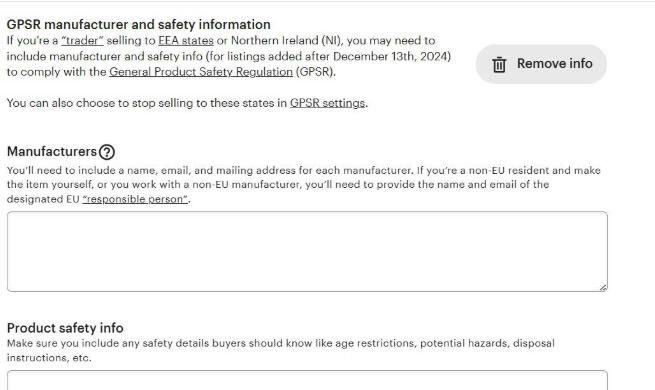
If you sell products to customers in the EU, EEA, or Northern Ireland, GPSR may require more than just a nice product photo and a cute description.Think of it like this:Your Etsy listing should answer four simple questions:Who made this product?
Who can EU authorities contact if there is a safety issue?
What exactly is this product?
Is there anything the buyer should know to use it safely?Etsy introduced product safety fields in 2025 to help sellers add manufacturer, EU Responsible Person, and product safety information to relevant listings. Etsy says sellers may need to provide manufacturer details, EU Responsible Person details where applicable, product identification, and warnings or safety information.
1. Manufacturer Information
First, add information about the manufacturer.This usually means:Manufacturer name
Email address
Mailing addressIf you make the product yourself under your own brand, you may be the manufacturer.
If another company produces the item for you, that company may be the manufacturer.For example:Manufacturer: ABC Studio
Email: [email protected]
Address: 123 Example Street, London, United KingdomEtsy’s GPSR guide says the manufacturer information should include the name, email, and mailing address.
2. EU Responsible Person Information
If the manufacturer is not based in the EU, EEA, or Northern Ireland, you may need an EU-based Responsible Person.This may include:Responsible Person name
Postal address
Email addressThis is important because GPSR requires an EU-based economic operator for covered products placed on the EU market. Etsy also explains that this role may be handled by an EU manufacturer, importer, authorised representative, or fulfilment service provider, depending on the case.Example format:EU Responsible Person: Optimaalcert OÜ
Email: [email protected]
Address: Example Street 1, Tallinn, Estonia
3. Product Identification
Your listing should make it clear which exact product the information belongs to.Add details such as:Product name
Type of product
Product photo
Where available, a model number, batch number, serial number, variation name, or internal product codeFor small handmade sellers, this does not always mean creating a formal SKU system. The point is that the product should be clearly identifiable.Example:Product name: Star Night Metal Pin Badge
Product type: Decorative metal pin
SKU: PIN-STARNIGHT-01Etsy states that product identification may include a picture, product type, and other product identifiers.
4. Safety Warnings or Instructions
If your product has any safety-relevant information, add it clearly.This may include:Age restrictions
Small parts warning
Allergy-related warning
Sharp edge warning
Disposal instructions
Safe use instructionsExample:Warning: Contains small parts. Not suitable for children under 3 years.
For decorative use only.For many simple products, the warning may be short. The point is not to make the listing look like a legal textbook. The point is to give buyers the safety information they need.Etsy gives examples such as age restrictions, hazard warnings, disposal instructions, and other safety-related details.
5. Where Should This Information Go on Etsy?
Etsy provides product safety fields where sellers can add this information.Depending on your shop setup, you may use:Shop-level economic operator information
Useful if one EU Responsible Person applies to your whole shop.
Listing-level manufacturer and product safety information
Useful if different products have different manufacturers or safety details.Etsy says sellers only need to fill either the shop-level or listing-level field, depending on which setup applies.
Simple Example for an Etsy Listing
For a metal enamel pin, the GPSR information could look like this:Manufacturer: Your Studio Name
Email: [email protected]
Address: Your business addressEU Responsible Person: Your EU RP Name
Email: [email protected]
Address: EU RP addressProduct: Metal enamel pin badge
SKU: PIN-001Safety warning: Contains small parts. Not suitable for children under 3 years. For decorative use only.
Common Mistake
A common mistake is thinking GPSR is only about adding an EU address.It is not.The EU Responsible Person is important, but the listing also needs basic product identity and safety information. In simple words:GPSR is not just “Who is in Europe?”
It is also “What is this product, who made it, and how can it be used safely?”
Final Checklist
Before selling to EU customers on Etsy, check whether your listing includes:Manufacturer name
Manufacturer email
Manufacturer address
EU Responsible Person, if needed
Product name or SKU
Product photo
Product type
Safety warning, if relevant
Basic instructions, if needed
Need Help Preparing for EU Sales?
If you are not sure what information your Etsy listings need for GPSR, contact us.
We help small non-EU sellers prepare basic GPSR listing, label, safety, and EU Responsible Person information for EU sales.


What Is an EU Responsible Person and Why Do Non-EU Sellers Need One?

Selling to EU customers from outside Europe can look simple at first.You make the product.
You list it online.
Someone in the EU buys it.
You ship it.Easy, right?Then the EU asks one very practical question:If there is a product safety issue, who can we contact inside the EU?That is where the EU Responsible Person comes in.Under the EU General Product Safety Regulation, products covered by the regulation need an EU-based responsible economic operator before they can be placed on the EU market.
What is an EU Responsible Person?

An EU Responsible Person is a person or company established in the EU that acts as the contact point for product safety matters.Think of them as the product safety front desk inside the EU.Not your sales agent.
Not your warehouse.
Not a magic stamp that makes every product suddenly compliant.They are the person or company EU authorities can contact if there is a safety question about your product.A simple way to say it:If your product is sold in the EU, someone inside the EU needs to be reachable about product safety.That someone is the EU Responsible Person.
What Does an EU Responsible Person Do?
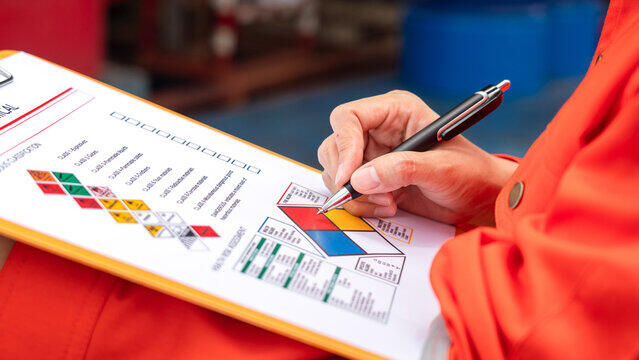
The EU Responsible Person helps make sure there is a clear contact point for safety-related questions.Their role may include:keeping or making product safety information available
responding to authority requests
helping with product safety communication
checking that basic product information exists
cooperating if a safety issue appearsSo no, the Responsible Person is not just a random address you copy and paste.They are more like the emergency contact on a school form.Most of the time, nobody calls.
But if something happens, the school does not want to search the whole planet to find someone responsible.EU product safety works in a similar way.
Why Does the EU Require an EU Responsible Person?

Because products move faster than paperwork.A seller may be in UK.
The manufacturer may be in China.
The buyer may be in Germany.
The product may be sold through a website hosted somewhere else.If a safety issue comes up, EU authorities need a clear contact inside the EU.Without that, product safety becomes an international game of:“Who is responsible for this?”And regulators generally do not enjoy detective games.The EU Responsible Person exists to make sure there is always a reachable contact for products sold into the EU. Official guidance explains that the responsible economic operator must be established in the EU or NI and must fulfil certain compliance tasks.
Why Non-EU Sellers May Need an EU Responsible Person

If you are outside the EU, you may not have:an EU office
an EU importer
an EU business address
an EU-based company handling product safety contactBut if you sell consumer products to EU customers, the EU still needs someone inside the EU who can be contacted about those products.That is why non-EU sellers may need an EU Responsible Person.This matters especially if you are:a small brand
a handmade seller
a creator selling physical products
an online shop outside the EU
a business preparing or restarting EU salesThe important point is simple:Selling to the EU is not only about shipping the product.
It is also about having the right product safety contact in place.Shipping answers: “Can the product arrive?”
The Responsible Person answers: “Who can be contacted if there is a safety question?”Different jobs. Both important.
Is an EU Responsible Person Enough on Its Own?
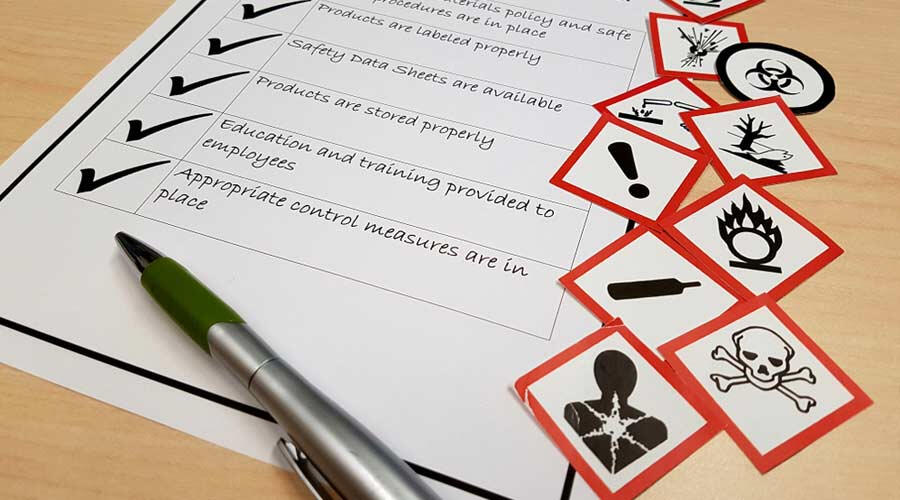
No.And this is the part sellers should not misunderstand.An EU Responsible Person does not magically fix missing product information.They cannot take a mystery product and turn it into a perfect compliance file by whispering “GPSR” three times.You still need to know the basics:What is the product?
What is it made of?
Who made or supplied it?
How can the product be identified?
Are there any obvious risks?The Responsible Person is the EU contact point.
But the product still needs reasonable safety information behind it.Think of it like this:The Responsible Person can answer the door.
But there still needs to be something useful behind the door.If there is no product information at all, the RP has very little to work with.
Contact Us About EU Responsible Person Support

If you sell from outside the EU and need an EU Responsible Person for your products, contact us.We help non-EU sellers prepare the basic information needed for EU sales and provide EU Responsible Person support for suitable products.Tell us what you sell, and we’ll explain how we can help.Contact us about EU Responsible Person support.
Site operator and contracting entity: Optimaalcert OÜ
Business registration number: 17497648
Address: Tallinn, Kesklinna linnaosa, Ahtri tn 12, 15551
Contact: [email protected]